


Dato’ Ng Yan Cheng, a major shareholder of PRG Holdings Berhad (“PRG” or the “Company”), has clarified the scale and purpose of the financial support he extended to PRG and its Malaysian group companies (“PRG Group”) over the years. He said the funding was provided primarily to help the PRG Group maintain operations and meet financial obligations during difficult periods when recurring operating cash flow was insufficient.
Financial Support Provided
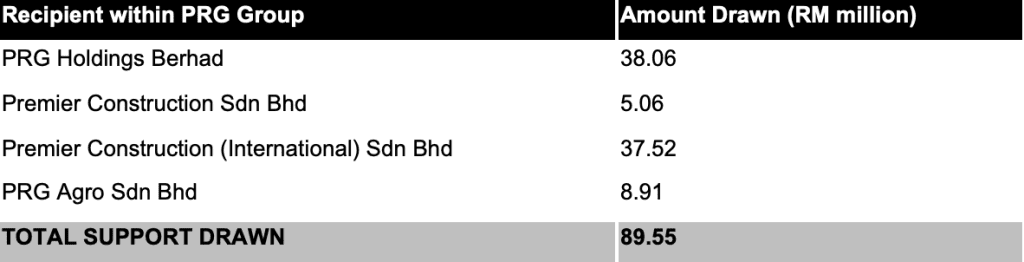
Of the total support provided, approximately RM16.64 million was shareholder’s advance without interest. Based on information supplied, approximately RM73.10 million remained outstanding, and all advances currently payable to Dato’ Ng are unsecured.
In 2023, he also accepted a partial settlement through the issuance of PRG shares when the Company was not in a position to repay the amount in cash.
Dato’ Ng said the advances and related balances had been audited and disclosed in the relevant annual reports of the PRG Group, which were tabled at annual general meetings over the years.
Dato’ Ng Yan Cheng said, “At difficult moments, I supported PRG because I believed the businesses could be stabilised and shareholder value could ultimately be preserved. The funding helped the Group meet operating commitments, pay employee salaries and continue its activities when internal cash generation was insufficient.”
He added that the support should be assessed not only by reference to the amounts advanced, but also in the context of the commercial risks assumed. The outstanding advances are unsecured, a substantial portion carried no interest, and repayment has been extended previously over a prolonged period while the PRG Group faced operational and financial setbacks.
Dato’ Ng is saddened and expressed disappointment that his role had, in his view, been presented without the full historical and commercial context, particularly the risks he accepted and time given to PRG Group to stabilise its position. He said some shareholders conveniently left out past failures of PRG Group and spun related-party issues out of proportion. He cautioned against narratives that personalise the dispute or imply that he and his family intended to harm PRG.
Dato’ Ng Yan Cheng said, “What is painful is seeing shareholders being led based on incomplete and misleading narratives to personally attack me and my family. As one of PRG’s largest shareholders, creditors and long-standing financial supporters, I have every reason to want the Company to recover. If PRG fails, I risk losing the funds advanced to the Group, while the value of my shareholding would also be affected. My interests have always been aligned with PRG’s survival, stability and long-term recovery.”
Dato’ Ng reiterated that he supports an independent and evidence-based review of historical corporate matters and would cooperate where required. He urged all parties to avoid personal attacks and allow shareholders to assess the issues based on verified documents, consistent standards and the complete factual record.
He also questioned whether public statements attributed to Dato’ Sheah Kok Fah were consistent with the stated objective of protecting PRG, particularly where those statements contributed to a narrative attacking him and his family personally, despite the financial support he had provided to the PRG Group.
Dato’ Ng Yan Cheng said, “It is difficult to reconcile a stated intention to protect PRG with attacks against one of the Company’s largest creditors, shareholders and financial supporters. The focus should remain on the facts, the Company’s recovery and the interests of all shareholders—not on personalised allegations.”
Dato’ Ng said the central question should be considered in practical terms: who was prepared to provide liquidity when the PRG Group required financial assistance, and what the consequences might have been for its operations, employees and shareholders had that funding not been available?
He stressed that any independent review must be fair, consistent and applied equally to the conduct, responsibilities and decisions of all relevant parties.
Dato’ Ng Yan Cheng said, “No individual should be above scrutiny, including me. However, scrutiny must not be selective. If governance is the concern, every relevant decision and responsibility should be examined using the same evidential standard.”

